
Description
Construction
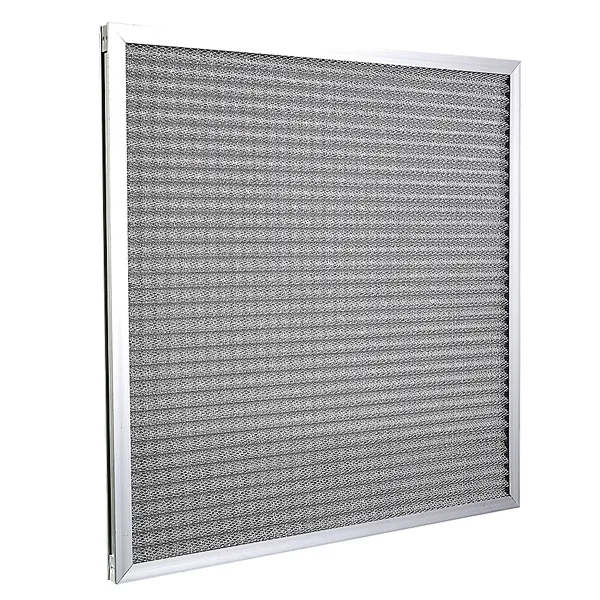
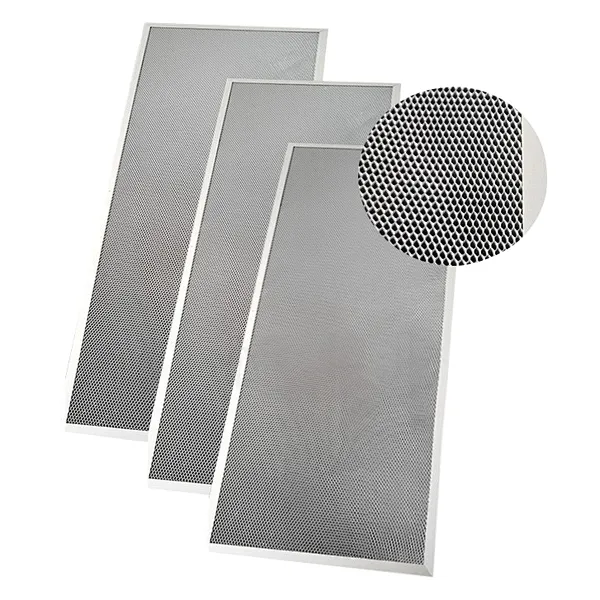
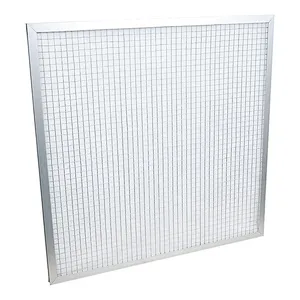
Metal mesh filters are usually made of stainless steel mesh or aluminum mesh, with a wavy or multi-layer staggered design to reduce voids and improve filtration efficiency. The frame material can be galvanized sheet, aluminum alloy, stainless steel, etc., according to the different needs of the use of the environment to choose the appropriate material.
Features
▸Low resistance.
▸Repeatedly washable, economical, and practical.
▸Sturdy and beautiful structure.
▸Strong resistance to acid and alkali.
▸Temperature resistance up to 300°C.
▸Long using life.
Application
| Technical Specification | ||||||||||
| Filter Type | Panel Filter | |||||||||
| Filter Class (EN 779) | G2 | |||||||||
| Filter Media & Seperator | Stain Steel Mesh / Alumium Mesh | |||||||||
| Frame Material | Aluminium / Galvanised /Stain Steel | |||||||||
| Temperature Resistance | 400°C | |||||||||
| Final Resistance | 250Pa (Suggestion) | |||||||||
| Humidity Resistance (Relative Humidity) | 100%RH | |||||||||
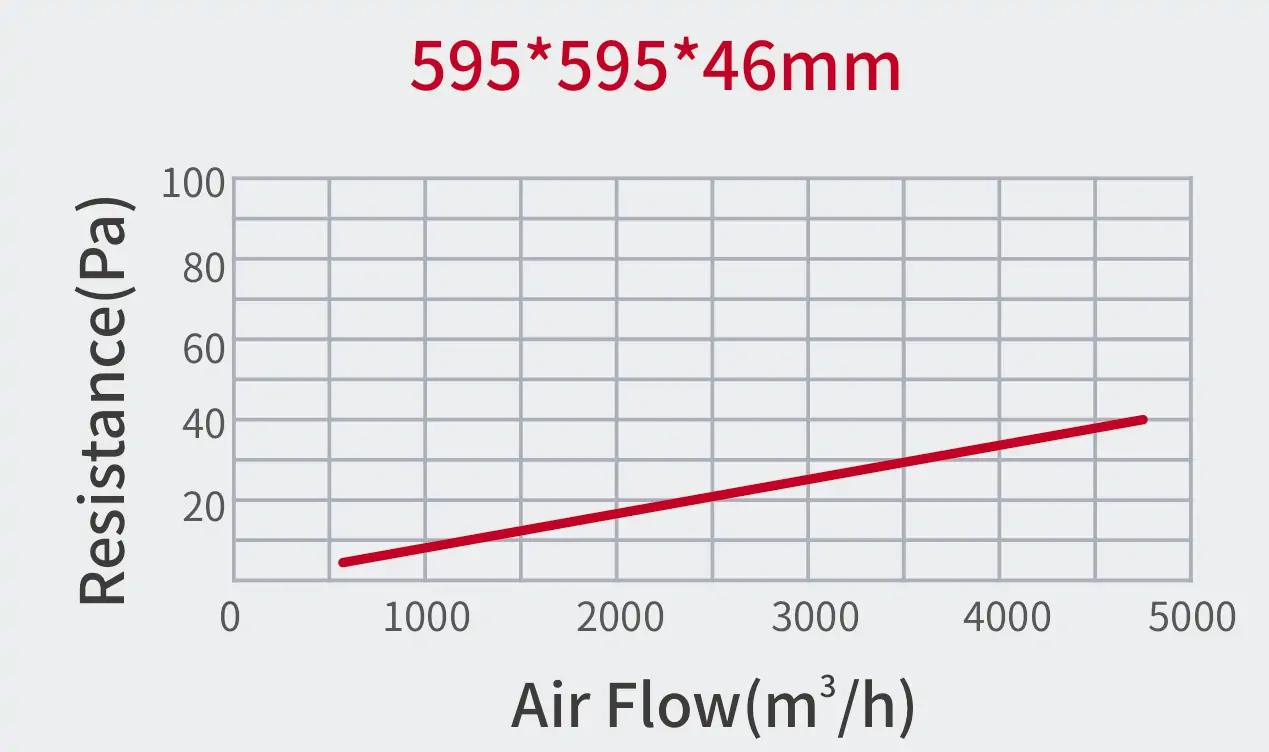
| Curve of Air Flow and Resistance | ||||||||
 |
|
Dimensions & Technical Details
|
||||||||||||||||||
|
Depth
(mm)
|
Size
(mm)
|
Rated Airflow
(m³/h)
|
Number of Layers
|
Initial Resistance(Pa)
|
||||||||||||||
| G2 | ||||||||||||||||||
| 21 | 595×595 | 2100/4200 | 3 | <10/35 | ||||||||||||||
| 495×495 | 1500/3000 | 3 | ||||||||||||||||
| 295×595 | 1100/2200 | 3 | ||||||||||||||||
| 25 | 595×595 | 2100/4200 | 5 | <12/40 | ||||||||||||||
| 495×495 | 1500/3000 | 5 | ||||||||||||||||
| 295×595 | 1100/2200 | 5 | ||||||||||||||||
| 46 | 595×595 | 2100/4200 | 7 | <15/45 | ||||||||||||||
| 495×495 | 1500/3000 | 7 | ||||||||||||||||
| 295×595 | 1100/2200 | 7 | ||||||||||||||||
How to Clean The Metal Mesh Filter?
According to the pollution situation and the chemical properties of pollutants and combined with the physical and chemical properties of stainless steel, physical and chemical methods can be used respectively for regeneration and cleaning.
Physical methods are mainly used: clean liquid backflushing, clean gas backblowing and ultrasonic cleaning.
Chemical methods are mainly used: dilute acid, dilute alkali, oxidant, surfactant, enzyme and other cleaning agents.


Reviews
There are no reviews yet.